What does recovery from addiction look like? On TV and in movies, the main character’s journey probably looks something like this: hitting rock bottom, seeking help, entering rehab, and then leaving ready to reset their life, reconnect with family, and rejoin society as a fully reformed and completely sober citizen.
But in real life, recovery from Substance Use Disorder (SUD) isn’t nearly so clean-cut and camera-ready. Not only does it take a complex system working behind the scenes to make treatment available and accessible, but the person at the centre of it must be able to deliver their opening lines.
“For people in active addiction, getting in front of a computer to fill out forms for 30 minutes just to get a referral for services is often an impossible aspiration,” explains Jasmine Brophy. “And never mind calling to get on the list for a detox bed, which requires reliving your mental health history and traumas to a stranger on the other end of the line, just to be told to call back in six weeks.”
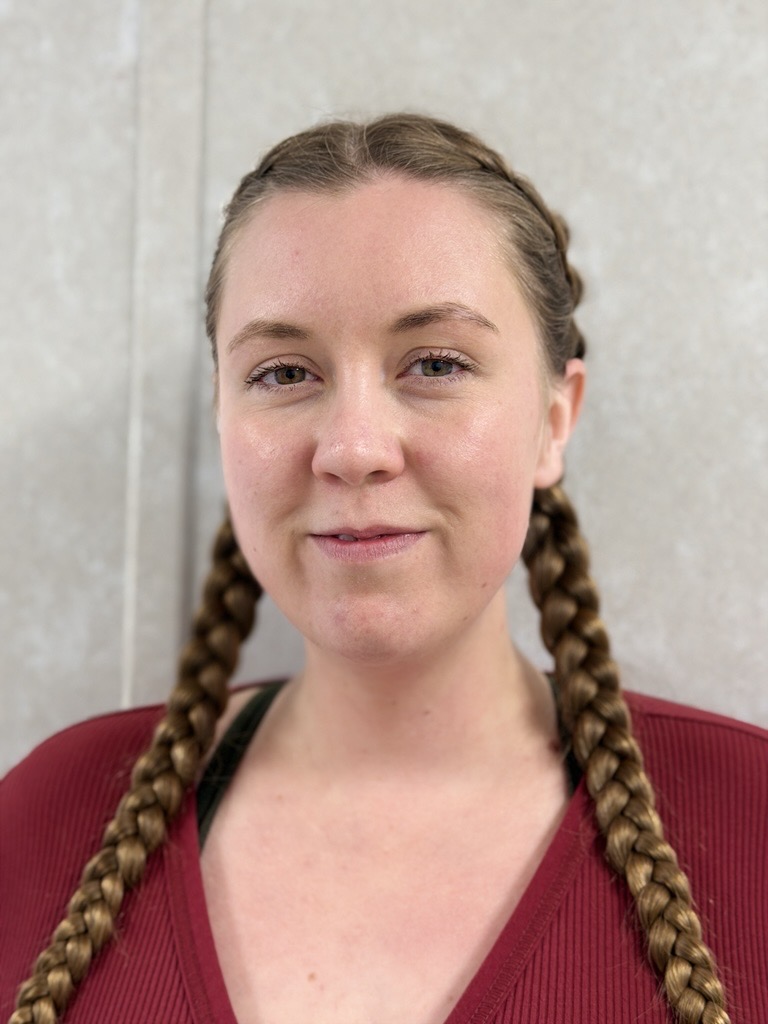
Brophy is the in-house Recovery Navigator at Lift Community Services in Powell River, BC. She spends her days doing everything from supporting staff and participants to liaising with a long list of external partners. This includes local mental health and substance use teams, provincial health care providers, and an entire network of detox and recovery resources.
But for Brophy, the most critical part of her job comes long before someone packs a suitcase for detox or treatment — it is helping people take the first step.
“I get a lot of people coming to me and asking for help with this referral or access to that service,” she says. “And I tell them, I’m here and I’m ready. But then there’s no follow-through. And I’m sure it’s not a reflection of what they want, but rather the lack of a foundation, support, and capacity.”
Not Ready for Prime Time (Yet)
This gap between aspiration and realistic capacity is what Yale University researchers Melena Stanojlovic and Larry Davidson identify as one example of a fracture on an effective ‘continuum of care’, rather than a personal failing of the individual with addiction.
In a 2021 paper titled Targeting the Barriers in the Substance Use Disorder Continuum of Care with Peer Recovery Support, Stanojlovic and Davidson define the gaps between disorder and treatment as being “prone to major disengagement and attrition, delaying [an individual’s] progress through sequential stages, which can have detrimental or …fatal consequences.”
They view recovery as a continuum spread across four key sequential stages: recovery priming; care, treatment, initiation, and retention; maintenance and remission; and returning to community citizenship.
The first of these stages — recovery priming — covers outreach, diagnosis and engagement. Recovery priming is the necessary work that happens before formal treatment begins, as a person starts moving from active substance use toward long-term stability and health. Key components of the recovery priming stage include assertive outreach and psychological preparation designed to dramatically improve a person’s engagement and retention in SUD treatment.
Successful recovery priming builds what is known as ‘recovery capital’, a concept introduced by Robert Granfield & William Cloud in their 1999 book Coming Clean: Overcoming Addiction without Treatment. Recovery capital is defined as the sum total of external and internal resources that a person can draw upon to initiate, build and sustain recovery.
Community and social support play a huge role in building ‘recovery capital’ and must be considered in creating a sustained recovery management model that considers the chronic and relapsing nature of addiction.
Small Stage, Big Applause
Contingency Management is an evidence-based methodology designed to meet the needs of individuals in the recovery priming stage of treatment, including generating that essential recovery capital.
“Contingency Management is a behaviour modification approach that trains your brain to feel happy and good about yourself when you accomplish your goals. It’s about doing things that are going to benefit you in the long term, instead of getting every piece of joy and satisfaction from a substance like cocaine or methamphetamine,” explains Ashley Van Zwietering, a recovery program coordinator at Lift.
Rooted in the behavioural psychology concept of operant conditioning, the contingency management approach to addiction treatment was first introduced in the 1970s and is now utilized by health care providers across Canada, the US, and Europe. It blends insights from SMART Recovery and CBT and is tailored to each cohort’s recovery journey.
No Solo Acts

Bringing peers, people with lived experience of substance use, into these programs is a growing practice that pairs behavioural reinforcement with lived-experience support. In fact, a 2026 study demonstrated that peer involvement in Contingency Management programs has been found to be integral to supporting sustained engagement and access to services.
“Peer-supported groups are key to creating safe, non-judgmental spaces that meet people where they’re at, so they feel safe enough to open up about their lifestyle and find support to make the changes they’re ready for,” says Cassandra Bauer. “After all, the opposite of addiction is connection.”
Bauer works alongside Van Zwietering, facilitating groups for people at the recovery priming stage of opioid use disorder. Her work goes beyond giving participants a place to meet their goals. It lays the foundation for peer mentorship and support, the kind of connection that lasts after any single group or program ends.
That connection matters because peer relationships are some of the most lasting recovery capital a person can build. Peers offer non-clinical support grounded in lived experience. They bring hope, motivation and living proof that change is possible, from someone who has been there. Peer recovery support services have been linked to better access to care, longer retention in treatment, and stronger recovery outcomes (Bassuk et al., 2016). Addiction is chronic and relapse is common, so a network of peers is something people can return to again and again.
Recovery priming is only the first step on a long road. Building a complete continuum of care takes the whole community: peers, support workers, health care providers, and municipal, provincial, and federal governments. But the cost of leaving that first step unsupported can be measured in lost lives.
Since B.C. declared a public health emergency more than a decade ago, more than 18,000 deaths in the province have been attributed to unregulated toxic drugs. Real recovery will never be camera-ready. But with the right support at the start more people get the chance to write their next scene.